



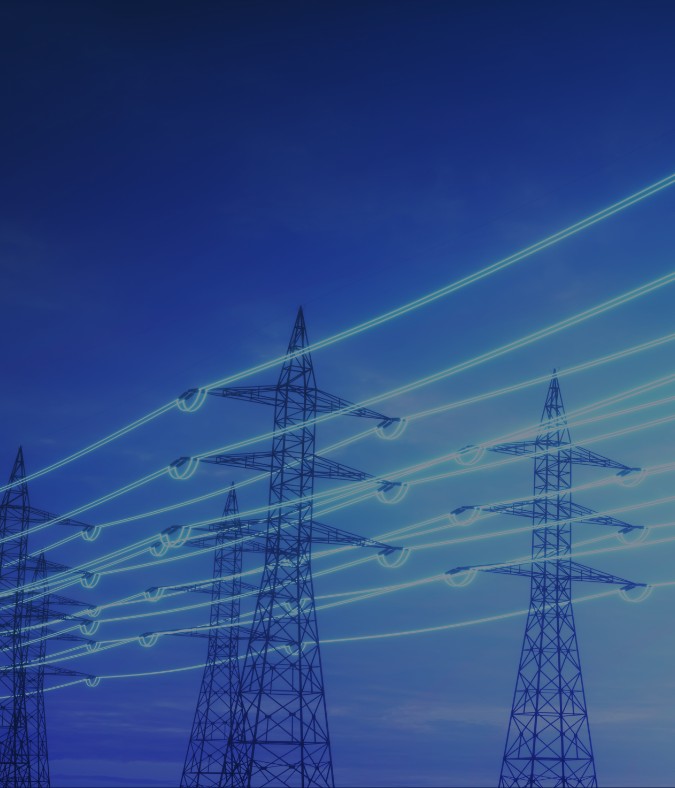

An electrical grid is inspected far less often than it should be. Substations get fixed manual rounds, corridors an occasional patrol, and the stretches in between go unobserved — so developing faults (a connection running hot, early partial discharge in a bushing, vegetation nearing a conductor) announce themselves only when they trip the network or start a fire. Energised, dispersed assets and a shrinking specialist workforce make more frequent manual inspection difficult, leaving grid monitoring limited to periodic snapshots just as the grid is being asked to carry more load and more variable renewable generation.
Why Autonomous Substation Monitoring Matters
A quadruped or rail robot in the yard and drones along the corridor carry the same payloads a human inspector would — and run the route as often as needed without exposure to energised equipment. With perception models tuned to electrical assets, the platform reads gauges, scans for thermal anomalies, listens for partial discharge, and measures vegetation clearance, then routes findings to the control room.
Benefits of Smart Grid Monitoring:
- From snapshots to trends: Daily rounds replace quarterly ones, so a slowly heating connection is caught as a trend long before it trips or ignites.
- Specialist sensing, repeatably: Thermal, acoustic, and partial-discharge readings are taken from the same vantage point every pass — comparable measurements manual rounds rarely achieve.
- Crews focus on the fix, not the find: Specialists are dispatched to confirmed anomalies with evidence in hand, not spent walking routine rounds.
How Wipro Delivers Smart Grid Monitoring
Wipro pairs a fit-for-environment platform — quadrupeds for yards, drones for corridors and overhead lines — with visible, thermal, and acoustic payloads and perception models trained on electrical-asset condition signatures. Routes are rehearsed in the site's Bidirectional Digital Twin, the autonomy tier is governed to keep the robot within agreed safety envelopes around energised plant, and findings flow into the utility's asset-management and outage systems — aligned with condition-based maintenance and vegetation-management obligations (NERC FAC-003) rather than a separate inspection silo.
Offerings drawn on: HMR Orchestration · Sim2Real · Bidirectional Digital Twin · RoboOps